I had given up on Toronto.
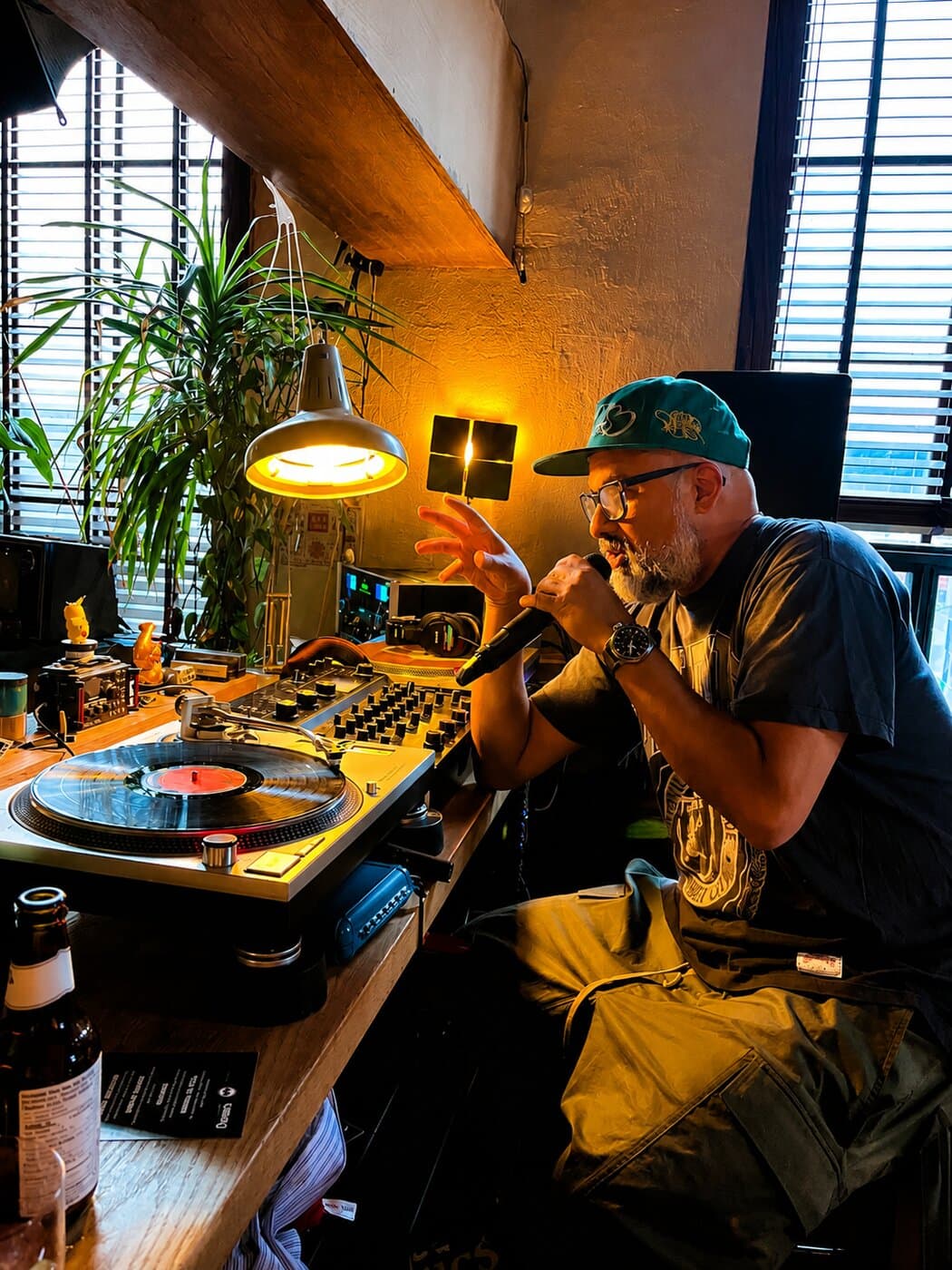
I was born an hour away and have spent more than half my life downtown. My parents were immigrants, and Canada is all I know. I started playing records for the kids at my school in grade eight, and in all the years and all the rooms since, I have never found a reason to stop.
We are known as the “screwface” capital, a name that came out of the hip hop scene around 2000. Anyone who has played a room in this city knows what it means: the folded arms, the raised eyebrow, a whole crowd waiting to be impressed before it gives anything back. Kardinal Offishall put it in a song. You had better rip the show, before the bottles start flying. I grew up inside that attitude, and if I am honest, for a long time I carried it too.
Somewhere along the way it landed on me that I could not keep complaining about a city I was doing nothing for. What I wanted was a room where the opposite happened. Where people walked in the way we walk in here, arms folded, and walked out as friends.
So this is my love letter back to the city.
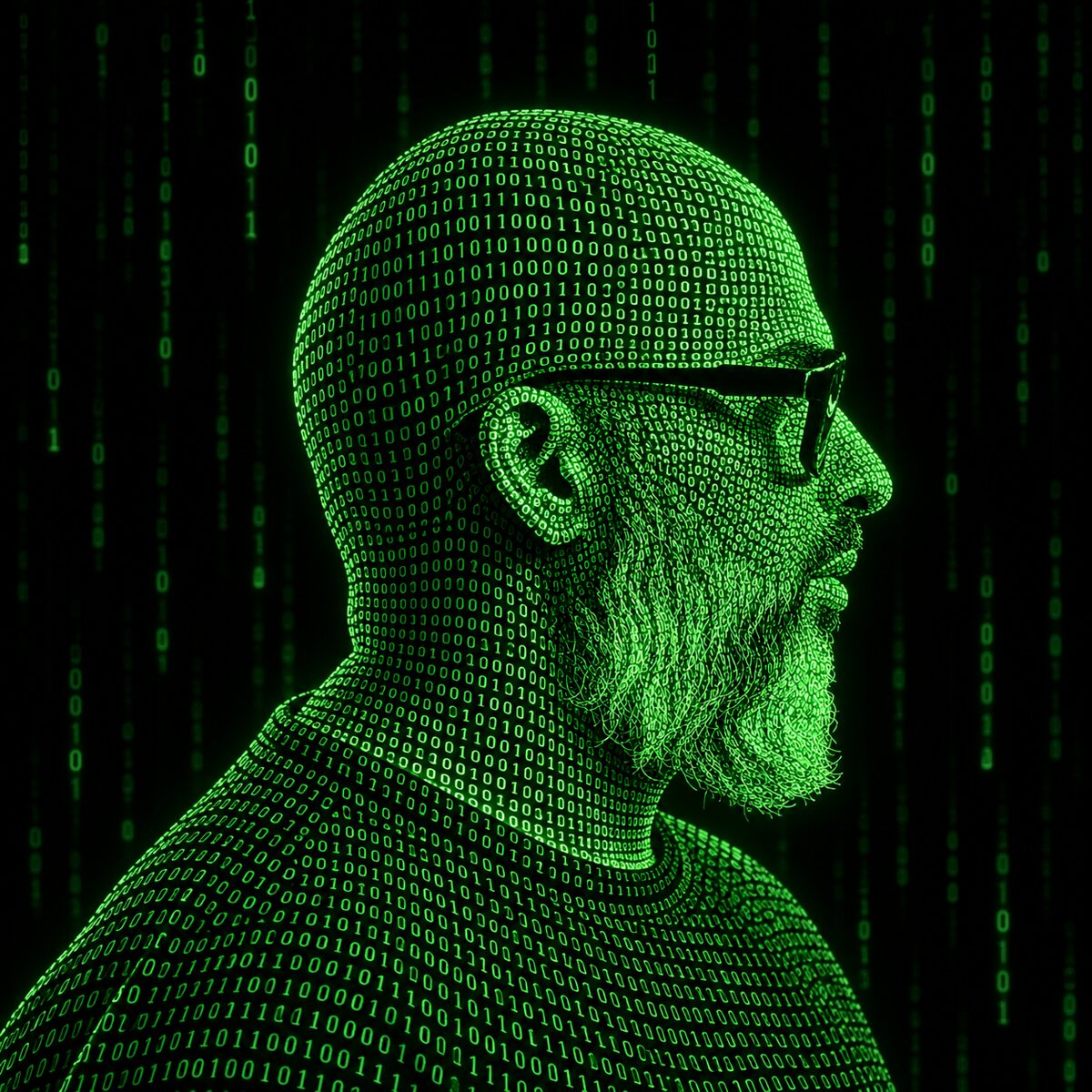
How do we stay human while we hand more of our minds to machines?
It has been happening slowly for twenty five years, and now it is happening faster than any of us can keep up with. I never had a big answer to that. I had a small one: a room full of people, every week, talking about something that matters.
We listen in fragments now. Thirty seconds at a time, alone, while doing something else. We have never had more access to music and never spent less time inside it. So the sessions are one record, start to finish, in a small room with everyone's phones down. Nothing skipped, nothing talked over.
The music is the way in the door. The listening is the point. What we are losing in ourselves, we find again in the music, and in each other.
 Where I think this is going →The rise toward New Earth. Who the analog keepers are, and why this is the time to be the bridge.
It started in June with ten people in the room. Within months sixty a week were coming.
The night that proved it
In July we played Clube da Esquina. Before a note, I passed the mic around and asked what the record meant to people. One woman said it was what her father played in the house growing up, and he is gone now, so hearing it in a room of strangers brought him back.
Most of the room was Brazilian. They sang and cried and laughed their way through it. Afterwards, nearly every conversation at the booth came back to the same thing, that someone had taken the time to learn their culture before playing it back to them. One person told me her own country's history had been kept from her at school, and she learned it in a room in Toronto.
That is the whole idea. It is why we keep doing it.
Thirty five years of this
Medicine, radio journalism, the halls of Sony Music, then a publishing deal as a songwriter with Sony Music Publishing, and two Juno nominations along the way. Every chapter was another way of studying how sound moves people. I carry that into the corporate world as conscious sound therapy through Pause + Expand. on.rcrd is its truest expression: real people in a real room, changed by what the record gives them.
Steven Fernandez
One record, one room, once a week is a small answer to a big thing. But it works on everyone who sits in it.
Come sit in it.
Elsewhere
One room leads to another. All of them are listening, only the direction changes.
- The meditation room, Pause and Expand → Listening inward. Live, twice a week, before the day starts.
- The ambient room, Kampala Social Club → Listening with nothing asked of you. Six tracks, thirty minutes, meant to be heard whole.