Aug 22, 2026
The word everybody knows is a man's name
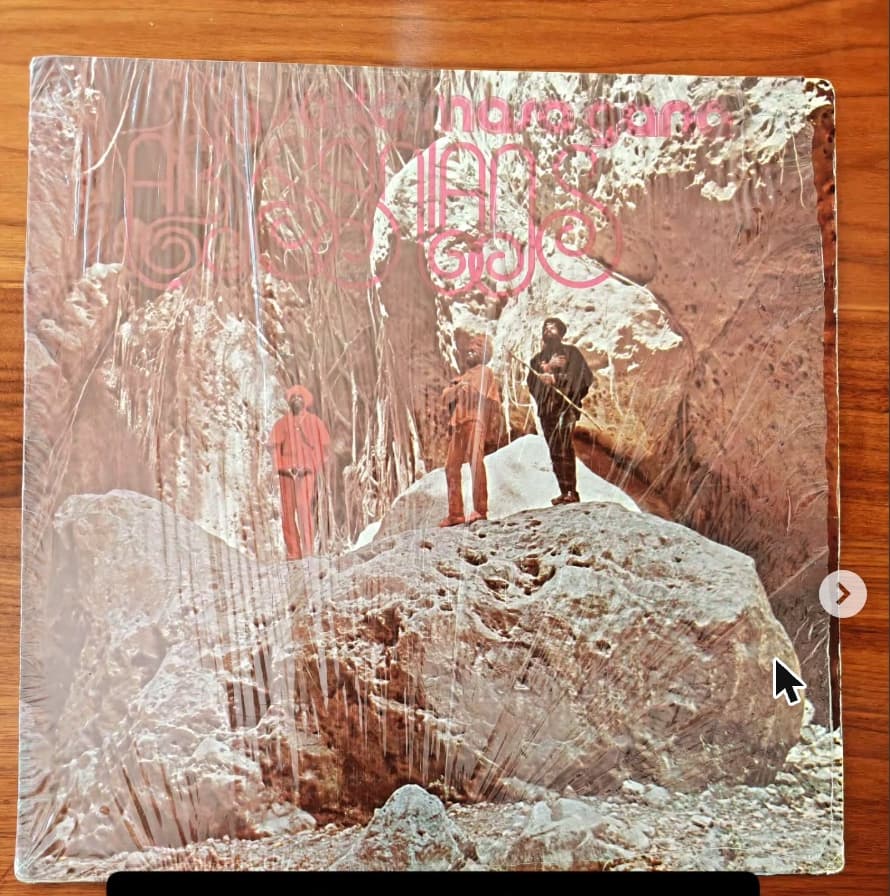
Satta Massagana, The Abyssinians' 1976 record, opens with a word most people only know as a man's name.
My own affinity for East Africa comes from being raised by parents from Kenya and Uganda, hearing Swahili in the house. Ethiopia borders Kenya, so it was always in the conversation growing up. It was the country of the famine my parents were furious about how it got portrayed on Canadian television, my dad angry at friends who didn't understand.
Ras is an Amharic rank meaning head or chief, roughly a prince. Tafari was the given name of Tafari Makonnen, who in 1930 was crowned Emperor Haile Selassie of Ethiopia. Ras Tafari. The word everybody knows is a man's name, and he ruled a real country until 1974.
Ethiopia carried that weight because it was the African nation that never fell permanently to European colonisation, and it held off Mussolini's invasion in the thirties with support from Black communities across the diaspora.
In 1948 Selassie gave roughly five hundred acres of his own land at Shashamane to people of African descent, partly in thanks for that support. Jamaicans began arriving there in the sixties, and the settlement is still nicknamed Little Jamaica.
Then on April 21, 1966, Selassie landed at Palisadoes Airport in Kingston, and the government declared a public holiday. Estimates put the crowd on the tarmac at around a hundred thousand, many having travelled since the night before by bus, by bicycle and on foot. They broke past security and surrounded the aircraft, and when the emperor appeared in the doorway he wept and went back inside, staying there roughly half an hour until an elder named Mortimer Planno climbed the steps and calmed things enough for him to come down.
Afterward, Amharic study circles opened across the island. Two years later, three young men in Kingston named themselves after the old word for Ethiopia, and this became one of the records that carried it.
Torontonians know the influence of Jamaican culture on this city better than most. Canada's largest wave of Jamaican immigration arrived in the seventies, and most of it landed here, to the point that roughly seven in ten Jamaican Canadians live in Toronto today.