Jul 18, 2026
He wrote the soundtrack to the Civil Rights years and owned none of it
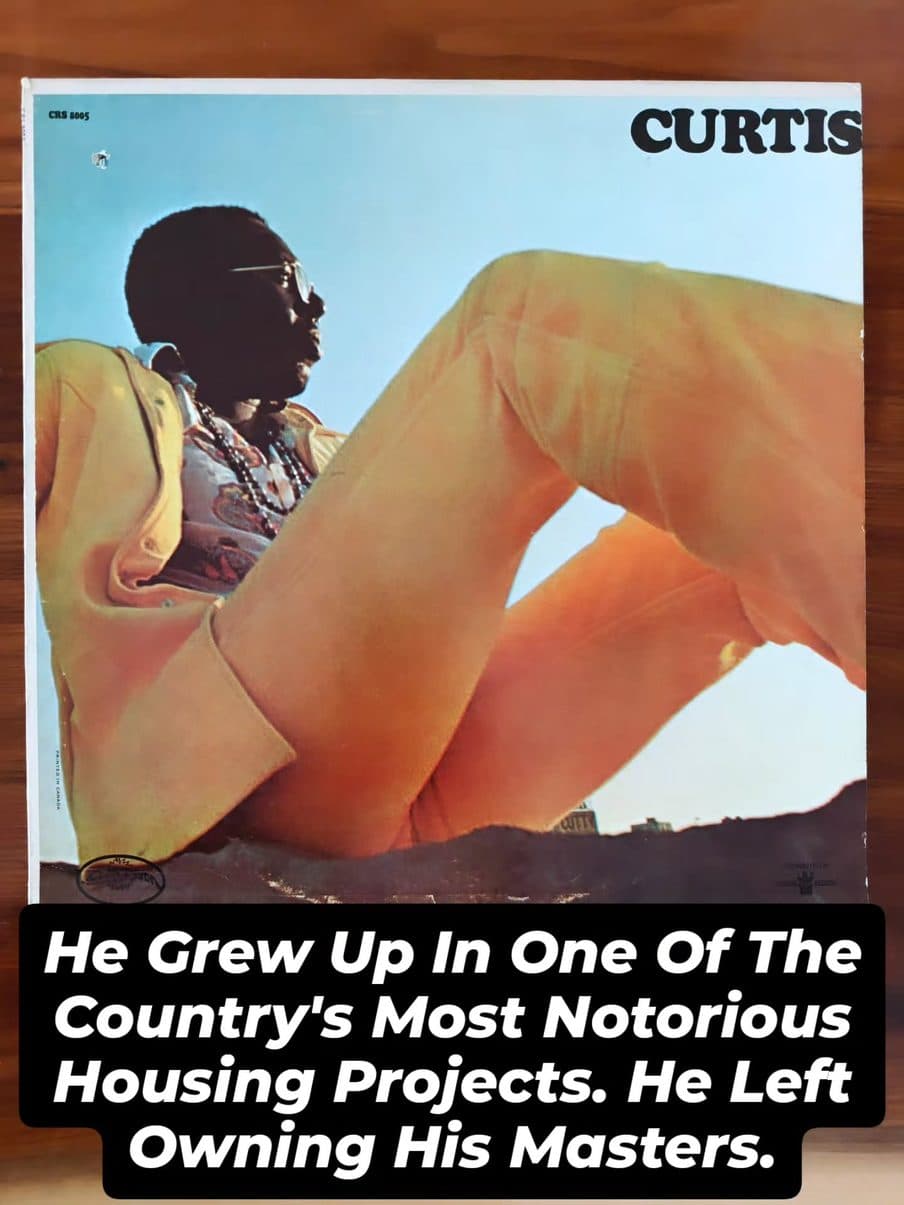
There's a kid in this story before there's ever a record.
Curtis Mayfield's father left when he was five. His mother and grandmother kept moving the family until they landed at Cabrini Green, a public housing complex on Chicago's Near North Side that became one of the most talked about, most misunderstood housing projects in the country.
That's the room this starts in. Not a studio. A pew, actually, since his grandmother preached at a small Spiritualist church and Curtis was singing there before he could read much of anything else.
At sixteen he left school to sing with a group his childhood friend Jerry Butler was putting together. That group became the Impressions.
For the next twelve years Mayfield wrote the songs that soundtracked the Civil Rights years, Gypsy Woman, Keep On Pushing, People Get Ready, hope stitched into the chord changes while the country outside was anything but hopeful. And he didn't own a note of it.
Someone else's label, someone else's masters, his voice on someone else's terms.
So in 1968 he started Curtom with his manager Eddie Thomas. He told a friend once, mid buyout of some old business tangle, that he just wanted to own as much of himself as possible. Not a lyric. A man saying the quiet part out loud.
Worth sitting with what Chicago looked like that year. A few months before Mayfield started recording, police and the FBI raided a West Side apartment and killed Fred Hampton, twenty one years old, chairman of the Illinois Black Panthers, asleep when it happened. This wasn't history to Mayfield. It was his city, that same year, while he built this.
It opens as a warning about where the country is headed, turns that warning inward a few tracks later, softens into a love song, and closes on nine minutes that hold joy and urgency at once. Not protest music. A whole person, all the way through.
I think about this one more than most, because I know something about leasing yourself out. I spent a long stretch of my life doing exactly that, my talent, my time, my name, working in service of somebody else's frontman. He built the label first, then the sound, then the confidence to stand behind both without apologizing for either.