Aug 24, 2026
He lost the argument, so he went and chanted for twenty minutes
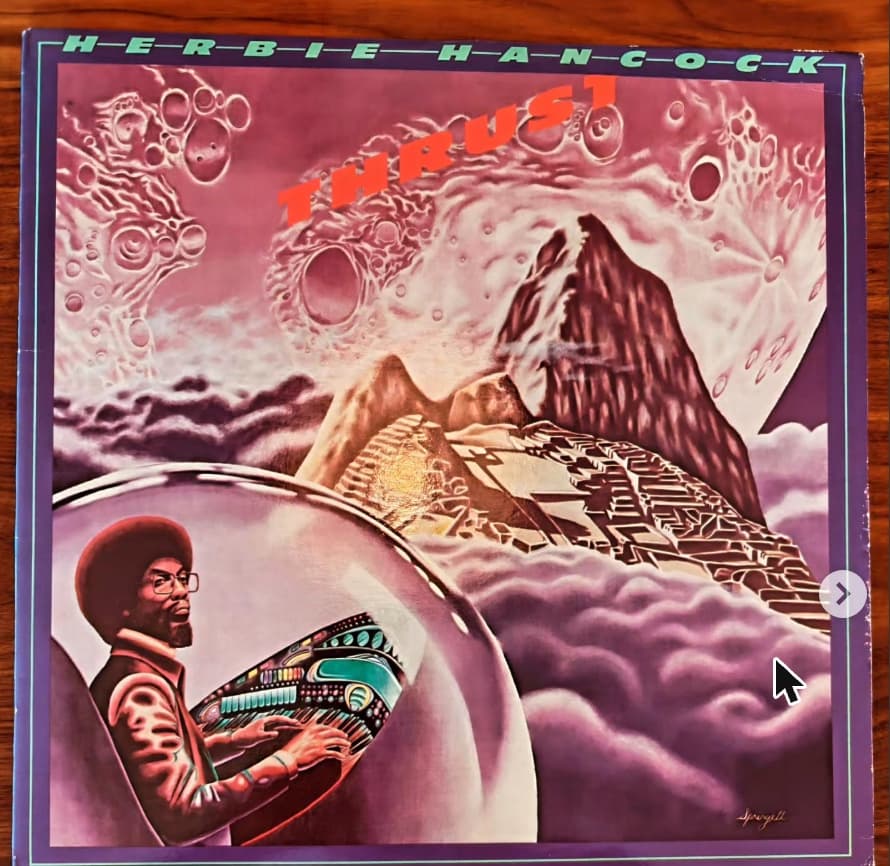
Mike Clark was the new guy. He had replaced Harvey Mason on drums, he had never made a record with Herbie Hancock before, and he showed up with a way of playing that he and Paul Jackson had spent years working out in Oakland, where the funk gets broken up and spread across the whole kit instead of sitting politely on two and four.
David Rubinson did not want it. Rubinson produced this record and Head Hunters before it, and by Clark's own account he wanted something simpler, the kind of thing Clark says he would not have played as a kid. Clark pushed back, and it turned into an argument with the producer and the management around him. So there he is, brand new, on the follow-up to the biggest jazz record in the world, losing.
What he did next is the reason the track is called what it is. Herbie had introduced him to Nichiren Buddhism, so Clark walked out, found a quiet room, and chanted alone for about twenty minutes. Then he came back, they ran the tune once, and that single take is what you hear.
I spend a lot of my working life in rooms where people are trying to get out of their own way with sound and breath, so this part lands differently for me. Clark did not go and chant to win an argument. He went to get himself back in channel. When you are actually in it, the fight stops mattering and the thing you are trying to make just arrives. That is the whole story of this take.
They named it Actual Proof. In that practice, actual proof is the last of three kinds of proof, the idea that a teaching is only worth anything if you can point at real results in your real life. Not theory. Evidence.
Fifty years later, drummers still take that track apart bar by bar.