Aug 6, 2026
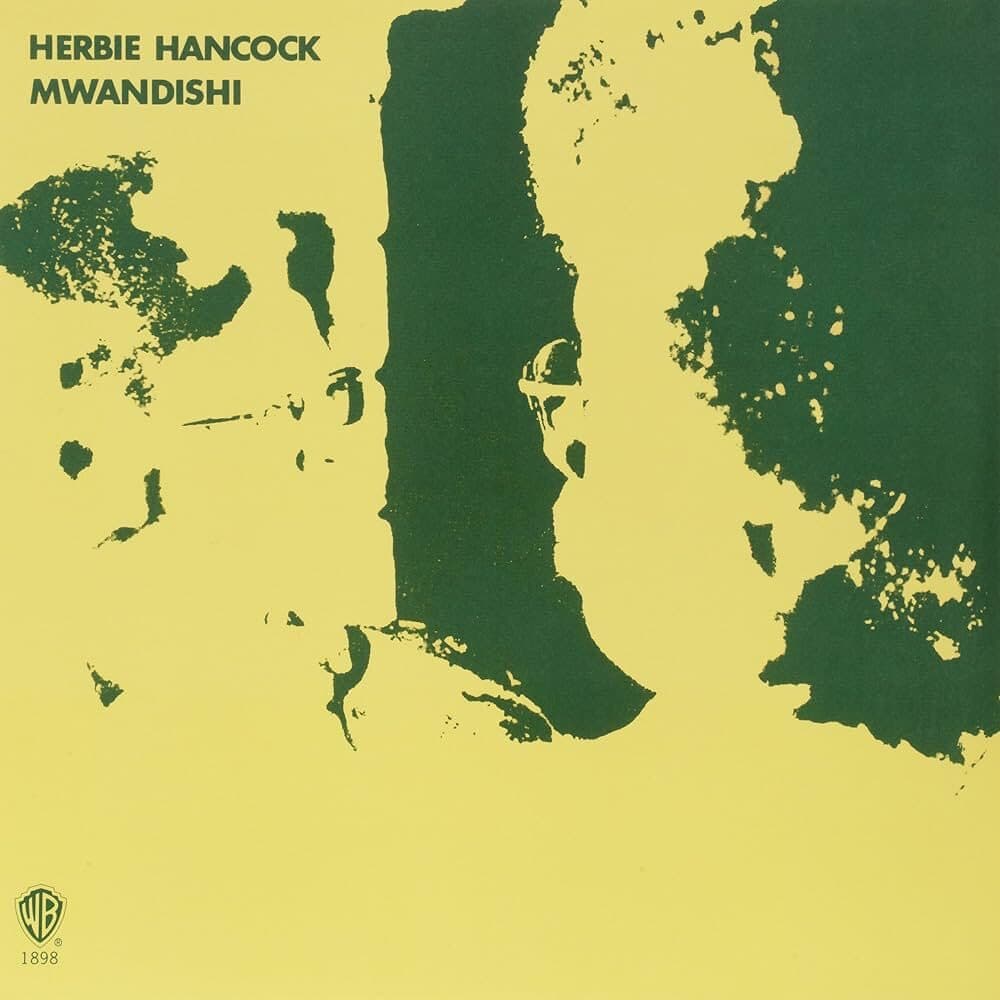
Herbie Hancock's album title was a name somebody else gave him
Before Mtume was known for Juicy Fruit, he was a competitive swimmer training toward the 1968 Olympics.
Somewhere along the way he found Maulana Karenga's organization in Los Angeles, the same man who invented Kwanzaa, and Karenga gave him a new name to replace the one slavery had handed his family.
Mtume. Messenger.
In December 1969 Mtume was in a studio session for an album that barely anyone remembers, credited to Albert Heath but mostly written by Mtume himself. He gave everyone in the room a Swahili name that day. Herbie Hancock was on piano. Mtume named him Mwandishi. Composer. Herbie kept it.
A year later Herbie had left Miles entirely.
Miles was deep into his own electric turn by then, pushing further out with every session, and Herbie had spent years inside that band learning how far a song could stretch before it broke.
He walked away to build something of his own, and by the end of 1970 his whole sextet had turned over except one bassist. Every new member took a Swahili name too, the same practice Mtume had started a year earlier in that other room.
The album they made together in early 1971 carried the name Herbie had already been given. Mwandishi.
There's a whole tapestry sitting inside this one record if you keep pulling.
The opening track is dedicated to Angela Davis, who was sitting in jail at that exact moment, a year before a jury would clear her of everything.
The trombonist wrote the entire second side himself, twenty minutes handed over by a bandleader who didn't need the whole record to be his. And within two years this same band would lead Herbie into Buddhism, a practice he still carries fifty years later, sparked by one bass solo in Seattle that woke the whole room up.
The title alone is a name a man was given by somebody else, a year before the band that made it famous even existed.